When people visit a completed estate, they often notice the houses, roads, entrance gates, streetlights and other visible features. What they may not immediately consider is the amount of work that happens before these structures take shape.
A well-planned estate does not happen by chance. It is the result of careful decisions, research, technical assessments, financial planning and consistent project management.
From selecting suitable land to designing the layout and providing essential infrastructure, every stage plays a role in determining the quality of the final development.
For property developers, the responsibility goes beyond acquiring land and putting up buildings. It involves understanding what people need, identifying opportunities and creating a plan that can stand the test of time.
So, what really happens between the initial idea of an estate and the development people eventually see?
1. Every Development Begins With an Idea
Before construction begins, there must be a clear understanding of what the proposed estate is intended to achieve.
Who will the development serve? What type of properties will it contain? What infrastructure will be required? How will the location support the intended use?
These questions help establish the direction of the project.
Some developments are designed primarily for residential land ownership, while others focus on completed homes, apartments or a combination of property types.
The answers influence important decisions, including the size of the development, its layout, the type of infrastructure required and the resources needed to execute the project.
At this stage, market research is equally important. Developers need to understand the location, buyer preferences, affordability and the demand for different types of properties.
A good concept must be practical, financially reasonable and relevant to the people it is intended to serve.
2. Choosing the Right Land
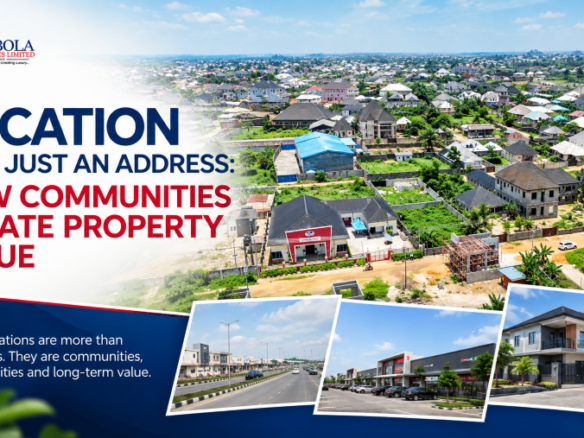
The location of an estate is one of the most important decisions in property development.
However, choosing land should involve more than identifying an attractive location or negotiating a purchase price.
Developers must consider land ownership, accessibility, surrounding developments, topography, drainage and the suitability of the site for the proposed project.
Legal and technical checks are particularly important.
A proper land investigation helps establish ownership, identify potential disputes and determine whether the land can support the intended development.
Physical assessments also provide useful information about the condition of the land.
For example, the natural slope of a site can influence drainage design, while the soil condition may affect construction methods and costs.
These early investigations help reduce avoidable problems during construction.
3. Turning the Concept Into a Master Plan
Once the land has been assessed, the next stage is translating the development idea into a practical layout.
This is where planning becomes visible on paper before it becomes visible on the ground.
A master plan determines how the available land will be organised. It considers plot arrangements, road networks, access points, drainage routes, open spaces and locations for supporting facilities.
The objective is to make the available space functional.
Roads, for instance, must provide reasonable access to different sections of the estate. Drainage must be considered alongside the natural movement of water. Buildings and plots must also be arranged in a way that supports the overall design.
Good planning requires these elements to work together.
A layout that looks attractive on a drawing may still present challenges if access, drainage and other practical requirements are overlooked.
This is why technical input from relevant professionals is essential during the planning stage.
4. Infrastructure Must Be Part of the Plan
One of the biggest differences between simply dividing land into plots and developing a well-planned estate is the attention given to infrastructure.
Infrastructure determines how people will access, use and experience a property.
Roads, drainage systems, perimeter fencing, security arrangements, street lighting and water provisions all contribute to the functionality of a residential development.
These facilities should not be treated as afterthoughts.
For instance, poor drainage can affect roads, buildings and surrounding properties. Inadequate access roads can make movement difficult, particularly during periods of heavy rainfall.
Security infrastructure also matters because residents and property owners need reasonable measures that support safety.
The timing and quality of infrastructure delivery can influence the overall value and appeal of an estate.
For this reason, infrastructure planning should begin long before the first building is completed.
5. From Drawings to Physical Development
After the necessary planning and preparation, attention gradually shifts to physical execution.
This stage involves coordinating contractors, engineers, architects, suppliers, equipment and other professionals responsible for different aspects of the project.
Construction activities must follow an organised sequence.
Depending on the nature of the development, work may include site clearing, setting out, earthworks, drainage construction, road development, perimeter fencing, gatehouse construction and building works.
Each activity must be properly coordinated.
For example, drainage requirements should be considered before road construction is completed. Similarly, the positioning of infrastructure must align with the approved layout.
This coordination helps prevent unnecessary alterations, additional expenses and delays.
Regular site inspections are also important. They allow the development team to monitor progress, assess workmanship and identify issues that require attention.
A good development is not simply about how quickly construction is completed. The quality of execution matters just as much.
6. Monitoring Progress and Maintaining Standards
Property development involves several moving parts. Without proper supervision, even a well-designed project can encounter avoidable difficulties.
Project monitoring helps ensure that construction activities remain aligned with the approved plans, specifications and delivery expectations.
It also provides an opportunity to assess the quality of materials and workmanship.
Developers must pay attention to details that may not immediately attract attention but can affect the long-term performance of a property.
These include drainage gradients, road foundations, building finishes, structural components and the installation of essential facilities.
Regular updates also help property owners and prospective buyers understand what is happening on-site.
Transparency about development progress is important because purchasing property often involves a significant financial commitment.
Buyers deserve clear information about the project, its current stage and the work that remains to be completed.
7. What This Looks Like at Odibola Properties
At Odibola Properties Limited, estate development involves several stages of planning and physical execution.
The company’s projects provide practical examples of how different aspects of property development come together.
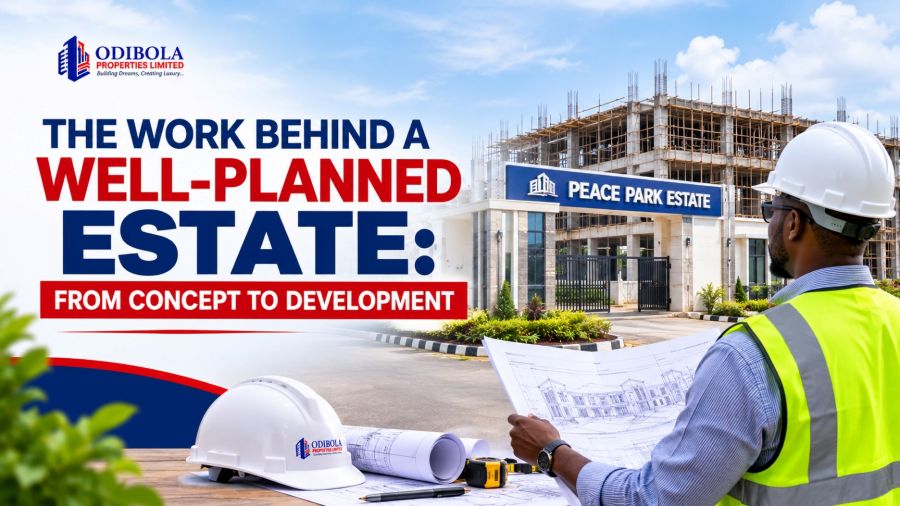
Peace Park Estate, located along Obiri–Ikwerre Road, is one example of an estate development involving multiple infrastructure projects. Its development activities have included perimeter fencing, gatehouse construction and clubhouse works.
These elements form part of the wider effort to provide supporting facilities within the estate.
Urban Prime 2 Estate, at Mbodo-Aluu, presents another aspect of the company’s development activities. The project focuses on residential housing, with plans for 150 units of three-bedroom bungalows.
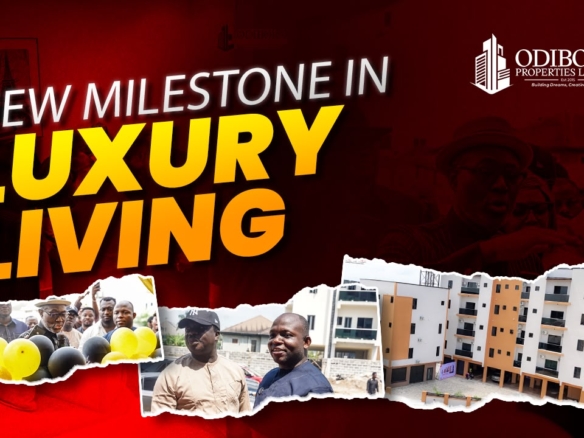
Meanwhile, Crown Court Luxury Apartments reflects the company’s involvement in residential apartment development, bringing a different type of housing option into the Port Harcourt property market.
Although these projects serve different property needs, they share an important principle: successful development requires more than the initial idea. It takes planning, coordination, investment and consistent attention to execution.
8. Why Buyers Should Pay Attention to the Development Process
For anyone considering buying land or investing in an estate, understanding the development process can help improve purchasing decisions.
It is important to look beyond the appearance of a property or the promises made during a sales presentation.
Consider the following:
The land: Is ownership properly documented? Have the necessary legal checks been carried out?
The layout: Is there a clear and organised plan for the estate?
The infrastructure: What provisions have been made for roads, drainage, security and other essential facilities?
The development progress: Can the developer provide clear information about completed work and ongoing activities?
The developer’s track record: What other projects has the company undertaken, and what can prospective buyers establish about their progress?
These questions help buyers assess the development beyond its immediate appearance.
They also encourage a more informed approach to property ownership.
The Bigger Picture: Good Development Starts Before Construction
A well-planned estate is the result of many decisions made long before the first building takes shape.
Land assessment, market research, layout design, infrastructure planning, construction supervision and quality control all contribute to the final outcome.
When these stages receive the attention they deserve, the result is more likely to serve its intended purpose and provide lasting value.
At Odibola Properties Limited, this understanding continues to inform the company’s approach to property development across its different projects.
Because the quality of an estate is not determined only by what people see when they arrive. It is also shaped by the decisions, preparation and work that happened long before the gates were opened.
Odibola Properties Limited — Building Dreams, Creating Luxury.